Choosing the right gear for camping trips can be a daunting task, especially with the plethora of options available today. Whether you are a seasoned camper or a novice, understanding what to look for in camping accessories is crucial for a successful outdoor experience. This guide will walk you through the essential factors to consider when selecting camping gear, ensuring you are well-prepared for your next adventure.
Assess Your Camping Needs
The first step in choosing the best camping gear is to assess your specific needs. Consider the type of camping you will be doing, whether it’s car camping, backpacking, or a family camping trip. Each type of camping requires different gear; for instance, backpackers need lightweight and compact items, while car campers can afford to carry heavier equipment. Additionally, think about the duration of your trip and the weather conditions you might encounter, as these factors will influence your gear selection.
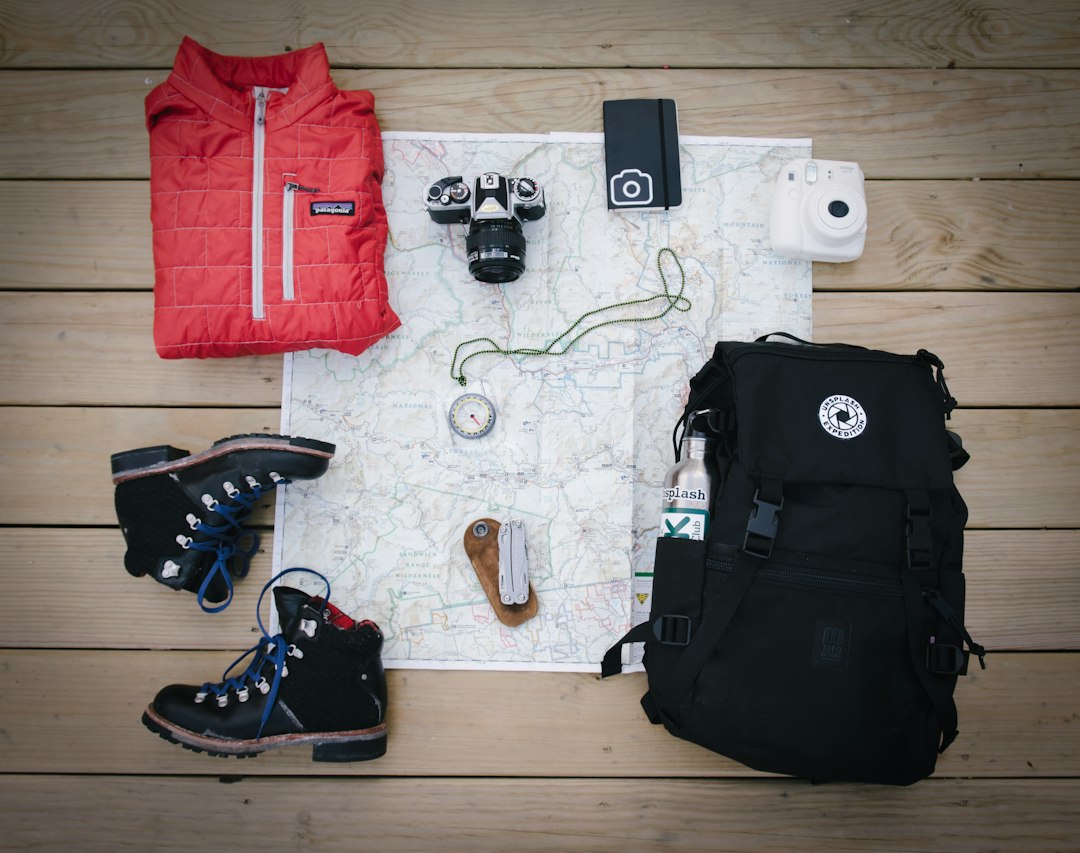
Once you have a clear understanding of your camping style, make a list of essential items you will need. This list should include shelter, sleeping gear, cooking equipment, and safety items. Prioritize your needs based on the environment and activities you plan to engage in, such as hiking, fishing, or simply relaxing by the campfire. By having a well-defined list, you can avoid unnecessary purchases and focus on quality gear that meets your specific requirements.
Research Quality Brands
When it comes to camping gear, quality matters significantly. Investing in reputable brands can make a substantial difference in your outdoor experience. Brands like TrailFlareGear.com specialize in camping accessories and are known for their durable and reliable products. Research customer reviews and ratings to gauge the performance of different items and identify which brands consistently deliver high-quality gear.
Additionally, consider the materials used in the gear you are interested in. Lightweight, waterproof, and breathable materials are ideal for camping gear, as they enhance comfort and functionality. Look for products that offer warranties or satisfaction guarantees, as these can be indicators of a brand’s confidence in their gear. Remember, spending a little more on quality gear can save you money in the long run by reducing the need for replacements.
Consider Weight and Portability
Weight and portability are critical factors, especially for backpackers who need to carry their gear over long distances. When selecting camping gear, opt for lightweight options that do not compromise on durability. For example, a compact sleeping bag and a lightweight tent can significantly reduce the overall weight of your pack, making your hiking experience more enjoyable.
Moreover, consider how easily the gear can be packed and transported. Look for items that come with carrying cases or can be easily compressed. This is particularly important for cooking equipment and sleeping gear, as bulky items can take up valuable space in your backpack. By prioritizing portability, you can ensure that your camping experience is not hindered by cumbersome gear.
Test Before You Go
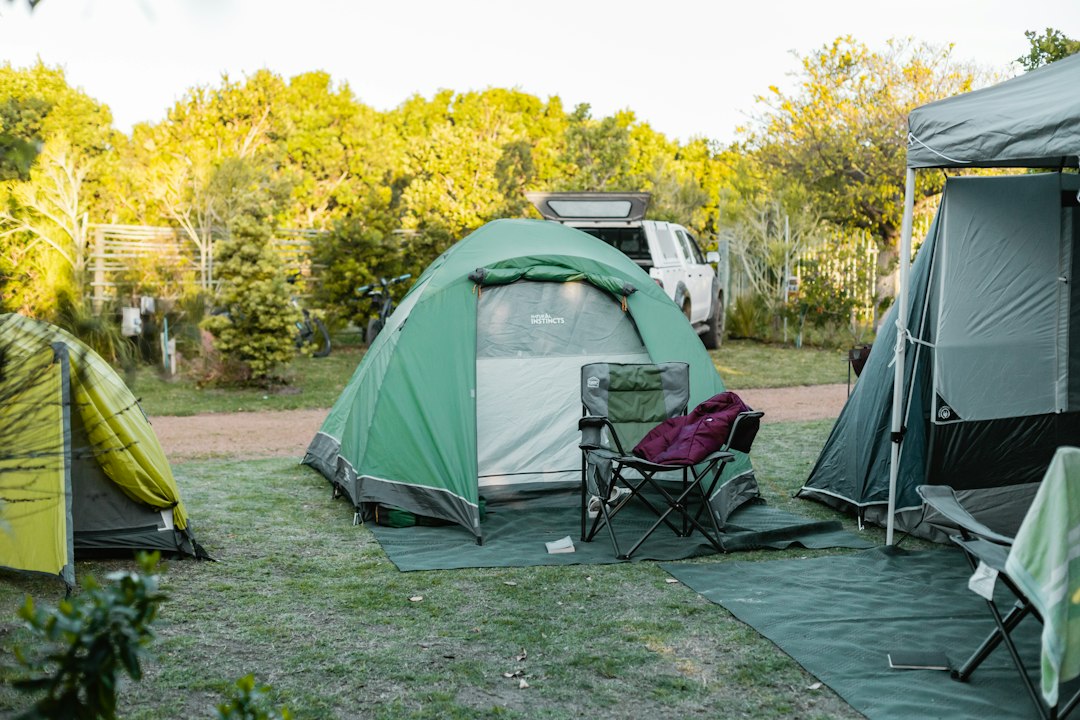
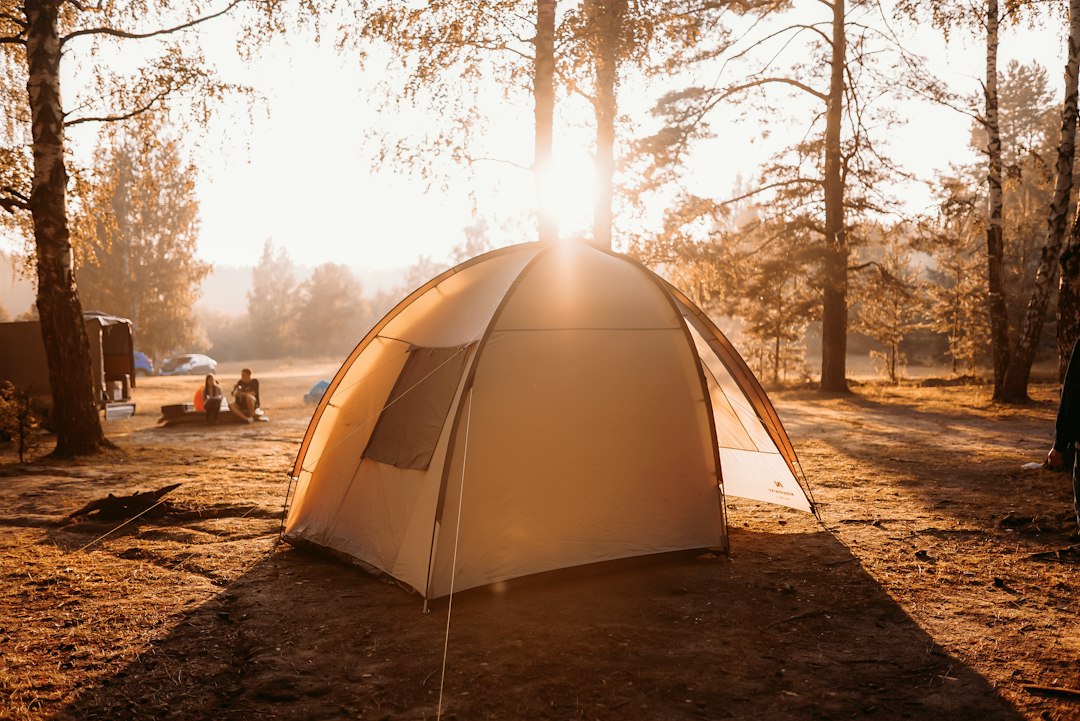
Before heading out on your camping trip, it’s essential to test your gear to ensure everything works as expected. Set up your tent in your backyard or a local park to familiarize yourself with the setup process. This practice run will help you identify any missing components or issues that need to be addressed before your trip.
Additionally, try out your cooking equipment and sleeping gear at home. Cook a meal using your camping stove and sleep in your sleeping bag to assess comfort levels. Testing your gear beforehand allows you to make adjustments and ensures that you are fully prepared for your outdoor adventure. Remember, the goal is to enjoy your camping experience, and being well-prepared is key to achieving that.
Step-by-step plan:
Step 1: Assess your camping needs based on the type of trip you are planning. Step 2: Research quality brands and read customer reviews to find reliable gear. Step 3: Consider weight and portability when selecting your camping accessories. Step 4: Test your gear at home to ensure everything is functional and comfortable.